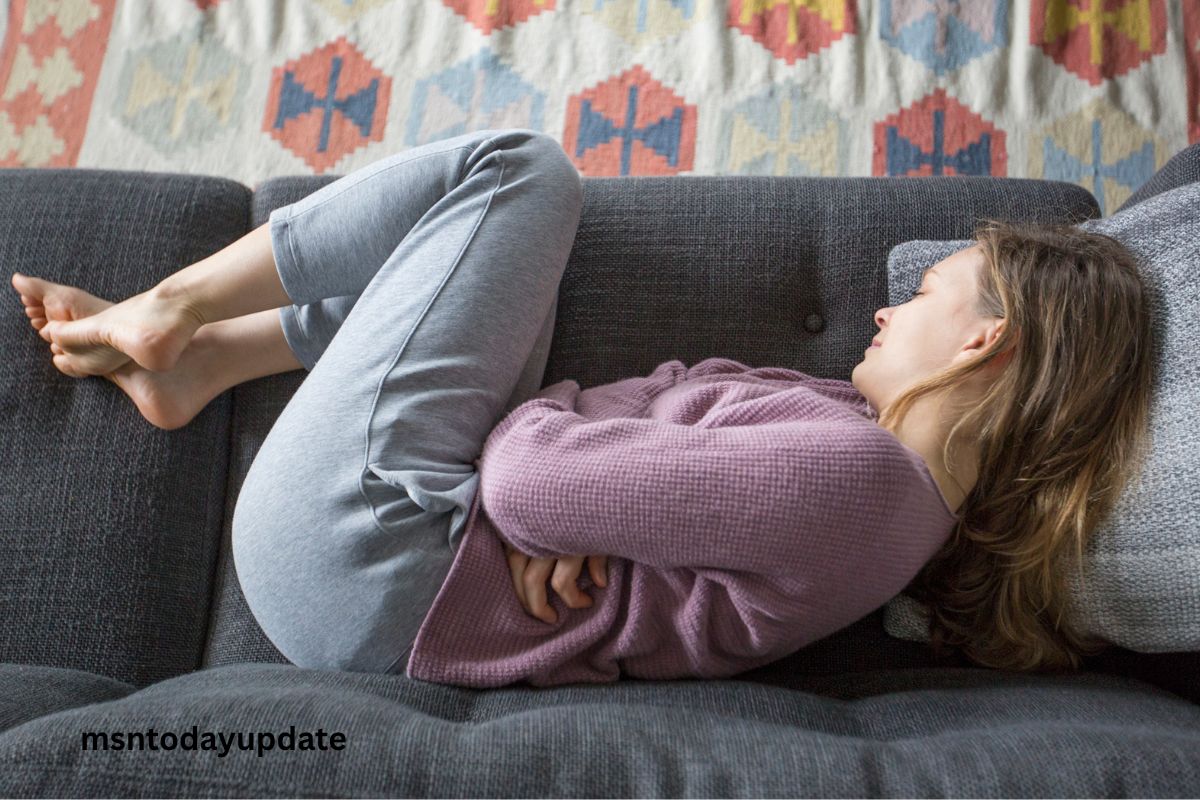
Experiencing a late period can be stressful and confusing. Many factors affect your menstrual cycle, including hormonal changes, stress levels, and ovulation timing. It’s common for periods to be irregular at certain life stages, such as adolescence or perimenopause. Health conditions like PCOS or thyroid problems can also delay your cycle.
Lifestyle factors, including weight changes, exercise habits, and diet, play a significant role in cycle tracking and period timing. Understanding why your period is late helps you identify potential causes, take appropriate action, and maintain your overall reproductive health. Tracking changes over time provides valuable insight for managing your cycles.
Understanding the Menstrual Cycle and Period Timing
The menstrual cycle is a complex process controlled by hormonal changes. Most people have a 28-day cycle, but cycles can range from 21 to 35 days. The cycle starts with menstruation, followed by the follicular phase, where an egg is released. Ovulation happens mid-cycle, which is the fertility window, and ends with the luteal phase before the next period begins. If any of these steps are disrupted, your period may be late. Tracking your cycle with a calendar or app helps you notice patterns or ovulation irregularities.
| Phase | Duration | Key Hormones | Key Events |
| Menstrual | 3-7 days | Low estrogen & progesterone | Spotting, cramping, and clotting may occur |
| Follicular | 7-10 days | Estrogen rising | Egg release preparation |
| Ovulation | 1-2 days | LH surge | Fertility window, peak reproductive health |
| Luteal | 12-14 days | Progesterone | Uterine lining thickens, premenstrual symptoms |
A simple table showing menstrual cycle phases helps illustrate this:
Understanding your menstrual cycle length and phases can explain why your period may not arrive on time.
Stress and Emotional Factors Affecting Periods
Chronic stress and periods are closely linked. The brain’s hypothalamus regulates hormones, and high stress can delay or even stop menstruation. Sudden life changes, work pressure, or emotional trauma may cause late periods. Long-term stress may also affect blood sugar regulation, sleep, and appetite, all of which influence your cycle.
A real-life case study shows how stress affects cycles: Jane, a 28-year-old teacher, noticed a late period after a month of high work stress. Her cycle returned to normal once she incorporated relaxation techniques like yoga and meditation. Understanding reasons for late periods can reduce anxiety and help maintain reproductive health.
Weight and Lifestyle Impacts on Periods

Both low body weight effects and high body weight and estrogen can cause irregular menstrual cycles. Rapid weight loss or extreme exercise may stop periods because the body lacks energy to support ovulation. On the other hand, obesity and menstrual cycle issues are often linked to excess estrogen production, which can also lead to skipped periods.
Lifestyle changes can help. Eating nutrient-rich foods, maintaining a healthy BMI, and regular exercise support hormonal changes. Tracking menstrual changes is crucial for noticing patterns. People with obesity or very low body weight should monitor their cycle closely and consult healthcare professionals if irregularities persist.
Polycystic Ovary Syndrome (PCOS) and Hormonal Imbalances
Polycystic Ovary Syndrome (PCOS) is a common cause of ovulation irregularities and late periods. High androgen levels in PCOS can stop egg release, resulting in skipped cycles and breakthrough bleeding. Insulin resistance often accompanies PCOS, affecting blood sugar regulation and hormone balance.
Other conditions like Primary ovarian insufficiency (POI) or early menopause/perimenopause can also cause cycle irregularities. POI occurs in about 1% of people under 40. A healthcare professional may prescribe birth control pills or other medications to regulate the cycle and support reproductive health.
Birth Control and Medications Affecting the Menstrual Cycle
Starting or stopping birth control pills, such as the combination pill, progestin-only mini-pill, or using an IUD, can change your cycle. Hormonal contraceptives often cause spotting, lighter periods, or missed periods due to hormonal changes. Even non-hormonal devices like copper IUDs can alter timing slightly.
Medications for conditions like thyroid problems and cycles, diabetes, or chronic diseases can also delay periods. Tracking your menstrual cycle length before and after starting new medications helps distinguish natural fluctuations from late period causes.
Pregnancy and Breastfeeding Considerations
One of the most common reasons for a late period is early pregnancy. After unprotected sex, human chorionic gonadotropin (hCG) rises in the body, signaling implantation and causing missed menstruation. Home pregnancy tests detect hCG, usually accurate a few days after a missed period.
Breastfeeding can also delay periods due to lactational amenorrhea, when hormones suppress ovulation. Tracking your cycles and understanding your fertility window is important for family planning. Using a condom or other contraception can prevent unexpected pregnancies during irregular cycles.
Chronic and Acute Health Conditions
Chronic diseases like diabetes and menstrual irregularity or celiac disease and periods can interfere with hormonal changes and nutrient absorption, delaying menstruation. Other rare causes include Cushing syndrome, Asherman’s syndrome, and congenital adrenal hyperplasia, which affect ovulation and cycle regularity.
Maintaining overall health is essential for reproductive health. Regular check-ups, proper treatment of chronic illnesses, and cycle tracking can prevent missed periods or detect serious issues early.
When to See a Doctor or Healthcare Professional

You should consult a healthcare professional if your period is significantly late without obvious reasons. Seek immediate care for severe pain, heavy bleeding, fever, or bleeding after menopause/perimenopause. Keeping a detailed record of menstrual changes, cycle length, and symptoms helps doctors diagnose late period causes accurately.
Tests may include hormone checks, ultrasound, or other diagnostics to investigate PCOS, POI, thyroid issues, or chronic conditions. Early intervention supports both reproductive health and long-term well-being.
Summary and Practical Tips for Managing Late Periods
Late periods often happen due to stress, weight changes, PCOS, birth control effects on period, or chronic diseases affecting cycles. Maintaining a healthy lifestyle, tracking your menstrual cycle, and monitoring ovulation can prevent surprises.
Practical steps include managing chronic stress and periods, eating balanced meals to maintain a healthy body weight, consulting professionals for thyroid or other conditions, and understanding your fertility window. Awareness and simple lifestyle adjustments can improve reproductive health and cycle regularity.
Conclusion
Understanding why your period is late is the first step toward maintaining reproductive health. Most delays are caused by stress, hormonal changes, lifestyle factors, or birth control effects on the period, and often resolve on their own. However, persistent irregularities may signal conditions like PCOS, thyroid problems, or POI, which need medical attention.
By tracking your menstrual cycle, monitoring ovulation, and adopting healthy habits like balanced nutrition, stress management, and regular exercise, you can reduce surprises and improve cycle regularity. Remember, staying informed and proactive about your fertility window and cycle tracking ensures better overall health and peace of mind. Always consult a healthcare professional if your menstrual changes are unusual or persistent.
FAQs
How long is it normal for a period to be late?
A period can be late by a few days to a week due to normal menstrual cycle length variations.
Why is my period late if I am not pregnant?
Stress, hormonal changes, weight fluctuations, or birth control effects can delay your period even if you’re not pregnant.
Why are periods late in unmarried girls?
Late periods in unmarried girls often result from stress, irregular menstrual cycles, or hormonal changes during adolescence.
How can I make my period come?
Healthy lifestyle habits, cycle tracking, and sometimes medication prescribed by a doctor can help regulate periods.
Which tablet is used to get periods immediately?
Doctors may prescribe hormonal tablets like progesterone to induce menstruation, but always use them under medical supervision.