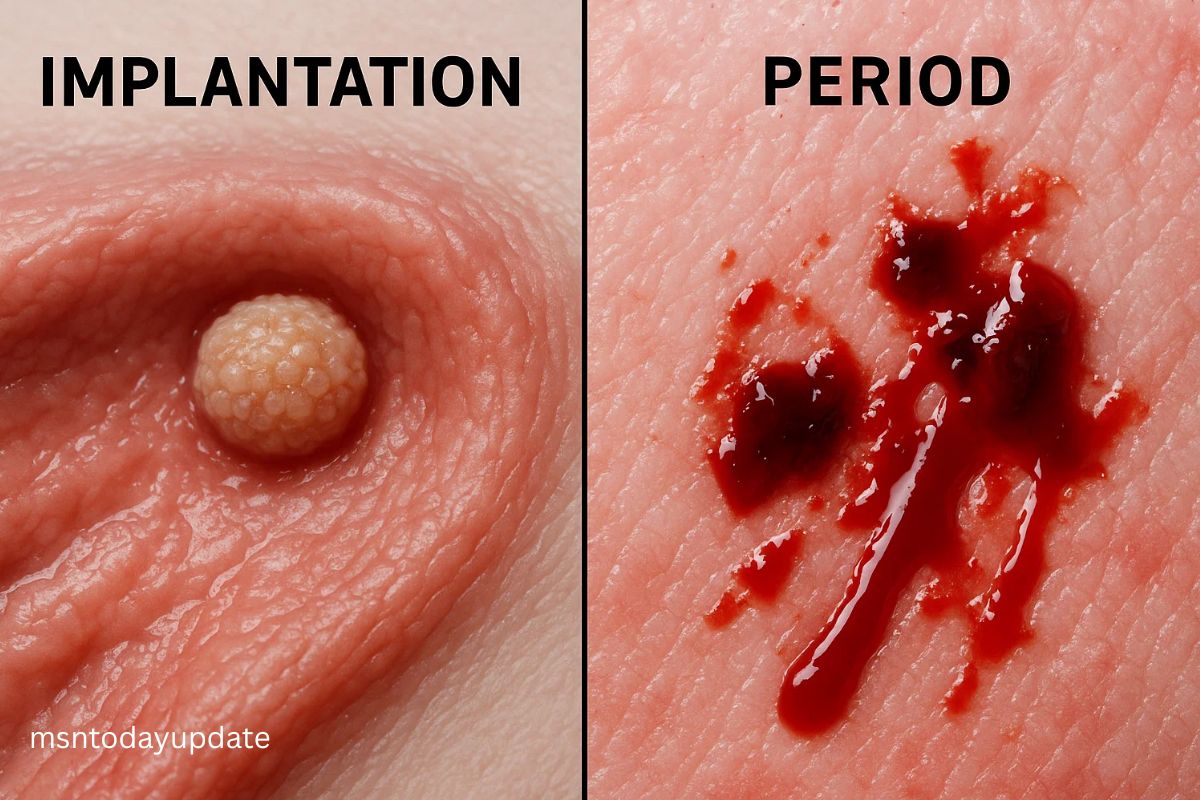
Understanding the difference between implantation bleeding vs period can be confusing for many women, especially when trying to detect early signs of pregnancy. Spotting that occurs before your expected period is usually lighter and shorter than a regular menstrual flow, but it can still raise questions.
Knowing the timing of implantation bleeding about your menstrual cycle phases and ovulation timing is essential for accurate interpretation. By tracking your cycle carefully, observing cramping, clotting, and other pregnancy symptoms, you can distinguish whether the bleeding signals a normal period or the start of a new pregnancy. This knowledge helps in planning tests and managing expectations.
Blood Color and Texture Differences
The easiest way to tell the difference between implantation bleeding and a period is by looking at the blood color and texture. In most cases, implantation bleeding is light pink or brown. This happens because the uterine lining is not shedding heavily, but rather a small amount of blood is released as the fertilized egg begins uterine lining.
Menstrual bleeding, however, often starts as light red or brown and then turns dark red as the flow increases. Clotting is common during a period because the body is shedding a thicker layer of tissue. Implantation bleeding rarely shows clots, as the process does not involve shedding the uterine lining in large amounts.
Timing and Duration of Bleeding
The timing of implantation bleeding usually happens 6–12 days after ovulation. This is when the egg fertilization process is complete, and the egg attaches to the uterus. The sperm survival window (up to 5 days) also plays a role in when implantation can happen.
In contrast, menstrual bleeding starts around day 28 of the 28-day cycle (if your menstrual cycle length is regular). Implantation bleeding typically lasts 1–3 days, while a period can last 3–7 days. Spotting that stops quickly and doesn’t become heavy is more likely to be implantation.
| Type of Bleeding | When It Happens | Duration | Flow Level |
| Implantation Bleeding | 6–12 days after ovulation | 1–3 days | Very light |
| Period Bleeding | End of cycle (usually day 28) | 3–7 days | Moderate to heavy |
Blood Volume Changes
Another way to tell the difference between implantation spotting and a period is the amount of blood. Implantation bleeding is light and does not increase each day. It might even be so faint that it appears only when you wipe.
Menstrual bleeding gets heavier after the first day due to hormonal changes triggering the shedding of the uterine lining. This is a key sign that your body is starting a new cycle rather than going through early pregnancy changes.
Accompanying Symptoms to Watch For

Pay attention to other pregnancy symptoms that may appear along with light bleeding. For implantation, symptoms might include mild cramping, fatigue, mood swings, or tender breasts. These changes happen due to rising human chorionic gonadotropin (hCG) levels.
Menstrual symptoms often include stronger cramping, headaches, bloating, and more noticeable mood changes. The intensity of symptoms is usually higher during a period because your body is going through active shedding.
Tracking Your Cycle for Accurate Identification
Knowing your menstrual cycle phases is the best way to avoid confusion. If you track egg release, you can see whether your fertility window has passed and when implantation could occur.
You can use apps, cycle tracking charts, or even measure your basal body temperature. Recognizing patterns in your 28-day cycle or longer cycles can help you spot unusual bleeding that might signal pregnancy rather than menstruation.
When to Take a Pregnancy Test

Pregnancy test timing is important. The best time to test is on the day your period is due or a few days later. This allows enough time for hCG hormone levels to rise and be detected by a urine pregnancy test.
Urine pregnancy test accuracy is high when used correctly, but if you test too early, you might get a false negative. In such cases, a blood pregnancy test can confirm results earlier because it detects lower levels of hCG.
Signs You May Be Pregnant
If you experience light spotting before your period, mild cramping, and unusual fatigue around the timing of implantation bleeding, it could be an early pregnancy sign. You might also notice frequent urination, nausea, or changes in appetite.
When these signs appear along with missed periods, it’s a good idea to test and then consult a healthcare professional. They can guide you on birth control methods, family planning options, or care for a healthy pregnancy.
Conclusion
Telling the difference between implantation bleeding vs period bleeding can feel tricky at first. But when you pay attention to the timing of implantation bleeding, blood color, flow changes, and other pregnancy symptoms, it becomes much clearer.
By tracking your menstrual cycle, knowing your ovulation days, and understanding the fertility window, you can identify whether spotting is part of the egg fertilization process or simply your period starting. And remember, if you’re ever unsure, a pregnancy test — whether urine or blood — will give you the clearest answer.
Your body’s signals are worth listening to. The more you learn about reproductive health, the more confident you’ll be in making choices for family planning options or preventing pregnancy naturally.
FAQs
How do I know if I’m on my period or if it’s implantation bleeding?
Implantation bleeding is lighter, pink or brown, and lasts 1–3 days. A period is heavier, redder, and lasts longer.
Can you mistake implantation bleeding for a period?
Yes, many women confuse the two because both involve spotting, but timing and flow help tell them apart.
How long after implantation will I test positive?
Most people get a positive pregnancy test 3–7 days after implantation bleeding.
Are you officially pregnant after implantation bleeding?
Yes, implantation means the fertilized egg has attached, starting pregnancy.
How quickly does hCG rise after implantation?
hCG hormone levels start rising within 1–2 days after implantation and double every 48–72 hours.