
Maintaining gut health supplements for women is essential for overall wellness. A balanced digestive system not only improves digestive health but also supports the immune system and mental clarity. Many women experience bloating, constipation, or discomfort, which can be alleviated with targeted women’s probiotics. Choosing the right probiotic strains is key to achieving long-term benefits, whether through food-based probiotics or high-quality supplements.
Gut health supplements for women help regulate digestion, support vaginal health, and promote a strong, healthy gut microbiome. Incorporating these into your daily routine can enhance energy, mood, and overall women’s wellness, making it a vital part of preventive health care.
Understanding the Gut Microbiome and Its Importance
The gut microbiome is a complex ecosystem of microorganisms living in the digestive tract. For women, a balanced microbiome is essential for women’s wellness, including digestion, immunity, and hormone regulation. Disruptions in gut bacteria can lead to IBS relief issues, antibiotic-associated diarrhea, and even influence mood and mental health. A diverse and healthy gut supports digestive health, nutrient absorption, and overall energy levels.
Certain probiotic strains, like Lactobacillus crispatus, Lactobacillus jensenii, and Bifidobacterium longum, are particularly important for women. These strains can enhance vaginal health probiotics, protect against infections, and improve the body’s immune response. Understanding the importance of a balanced microbiome helps women make informed choices about food-based probiotics and supplements.
Top Probiotics for Women: Types and Benefits
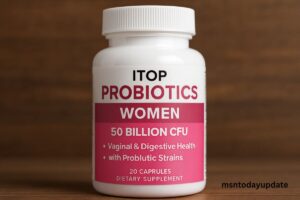
Among the best probiotics for women, Lactobacillus and Bifidobacterium stand out. Lactobacillus gasseri, Lactobacillus rhamnosus, and Lactobacillus reuteri support probiotics for yeast infections, bacterial vaginosis, and overall vaginal balance. Bifidobacterium bifidum and Bifidobacterium lactis are critical for constipation relief, digestion, and immune function.
Here is a simple table of probiotic strains and their benefits:
| Probiotic Strain | Primary Benefits for Women |
| Lactobacillus crispatus | Vaginal health, Cervical cancer protection |
| Lactobacillus gasseri | Weight management probiotics, IBS relief |
| Lactobacillus rhamnosus | Gut health for women, Digestive symptoms |
| Bifidobacterium longum | Immune system support, Digestive health |
| Saccharomyces boulardii | Antibiotic-associated diarrhea, Constipation relief |
Probiotics from Food vs. Supplements
Women can get food-based probiotics from fermented foods like yogurt, kefir, kimchi, miso, and tempeh. These foods naturally contain probiotic strains that aid digestion and support fiber for gut health. While food provides a steady intake, it may not deliver high enough doses for certain health needs.
Probiotic supplements offer precise probiotic dosage and targeted benefits. They are convenient and often include multiple strains such as Lactobacillus plantarum and Bifidobacterium bifidum, which can be essential for pregnancy probiotics or breastfeeding probiotics. Choosing between foods and supplements depends on individual needs, lifestyle, and health goals.
Health Benefits of Probiotics for Women

Women’s probiotics provide a range of benefits. They improve digestive health, relieve constipation, and reduce symptoms of inflammatory bowel disease (IBD). Certain strains like Lactobacillus fermentum and Lactobacillus helveticus support mental health and probiotics, helping reduce stress and anxiety.
Probiotics also support pregnancy and breastfeeding safety, reducing the risk of preeclampsia and mastitis. Some strains can enhance immune system support, protecting against upper respiratory tract infections. Incorporating the right probiotics contributes to overall women’s wellness and long-term preventive health.
Potential Side Effects and Safety Considerations
Most probiotics are safe for healthy women. Minor side effects such as gas, bloating, or mild digestive changes are common initially. Women with immune deficiencies or serious illnesses should consult healthcare professionals before starting supplements. Awareness of probiotic safety ensures proper and safe use.
Taking the wrong strain may not provide the intended benefit. Checking probiotic effectiveness and verifying probiotic dosage and timing are essential. Pregnant or breastfeeding women should prioritize strains like Lactobacillus rhamnosus or Bifidobacterium lactis, which have demonstrated safety and efficacy in studies.
How to Choose and Use Probiotics Effectively
Choosing the best probiotics involves considering strain specificity, dosage, formulation, and quality. For targeted effects like vaginal health probiotics, look for Lactobacillus reuteri or Lactobacillus gasseri. For digestive or IBS relief, Bifidobacterium longum or Saccharomyces boulardii may be beneficial.
Consistency is key. Probiotics should be taken regularly and at the proper time to maximize benefits. Combining food-based probiotics with probiotic supplements ensures a balanced intake of beneficial bacteria. Tracking effects on digestion, mood, or weight management, probiotics help measure results.
Signs of an Unhealthy Gut and When to Act

Symptoms like bloating, constipation, diarrhea, fatigue, and skin issues may indicate an unhealthy gut. Women may also experience changes in mood or digestive symptoms during their menstrual cycle. Early recognition allows for timely intervention with women’s probiotics or dietary changes.
Chronic issues such as recurring bacterial vaginosis, persistent constipation, or antibiotic-associated diarrhea may require medical consultation. Maintaining a healthy gut microbiome with fiber for gut health, stress reduction, and mental health, and probiotics strategies is essential for overall wellness.
Preventive Measures and Maintaining a Healthy Gut
A balanced diet rich in fiber for gut health, regular physical activity, and sufficient sleep supports a thriving microbiome. Mindfulness practices like meditation and journaling help reduce stress and improve women’s wellness. Maintaining preventive health through routine checkups ensures gut health remains optimal.
Incorporating fermented foods, monitoring probiotic dosage, and adjusting lifestyle habits are practical strategies. Avoiding excessive antibiotics unless necessary, staying hydrated, and keeping a consistent daily routine are simple ways to maintain a strong and healthy gut.
Conclusion
Optimal Gut Health for Lifelong Wellness
Achieving and maintaining gut health for women requires understanding the right probiotic strains, incorporating food-based probiotics, and maintaining healthy lifestyle habits. Using probiotics consistently can improve digestive symptoms, support the immune system, and enhance overall women’s wellness.
Proactive steps, including choosing high-quality probiotic supplements, maintaining a fiber-rich diet, and practicing mindfulness, contribute to lifelong wellness. Remember, optimal gut health is a journey, and the right probiotics can make it effective, safe, and sustainable for every woman.
FAQs
What is the best supplement for gut health for women?
The best supplement usually contains Lactobacillus and Bifidobacterium strains, tailored for digestion, vaginal health, and overall women’s wellness.
How to improve your gut health as a woman?
Eat fermented foods, take high-quality women’s probiotics, and include plenty of fiber for gut health in your diet.
What is the most effective gut health supplement?
A supplement with multiple clinically studied probiotic strains, proper probiotic dosage, and third-party testing offers the best results.
What is a 7-day gut reset?
It’s a short plan using probiotics, fiber-rich foods, and digestive-friendly meals to refresh your healthy gut microbiome.
What are leaky gut symptoms?
Symptoms may include bloating, fatigue, digestive issues, and food sensitivities, indicating an imbalance in your digestive health.