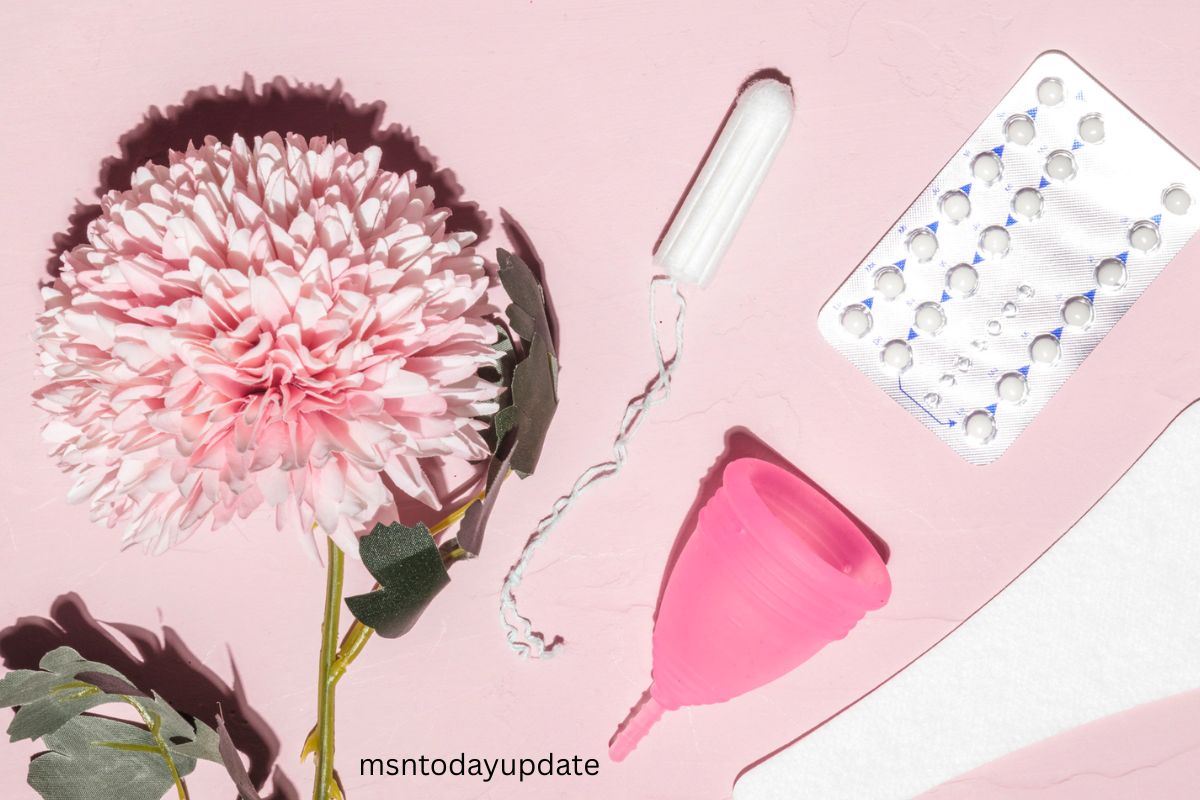
Using a period cup has become a popular choice for women in the USA who want comfort, safety, and sustainability. Unlike pads and tampons, a reusable period cup is worn inside the vagina where it collects blood rather than absorbing it. Made from medical-grade silicone, it’s a reliable menstrual hygiene product that can last for years. In this guide, you’ll learn everything about choosing, using, and caring for a silicone menstrual cup, plus how it compares with tampon and pad alternatives. By the end, you’ll know if this is the right choice for your lifestyle.
What Is a Period Cup and How Does It Work?
A menstrual cup is a small, flexible funnel-shaped cup usually made of silicone or rubber. Instead of soaking up blood like pads or tampons, it collects it safely inside the vagina. This makes it one of the most eco-friendly menstrual products available today. Many women choose it because it supports sustainable period care and helps reduce waste.
When used properly, it stays in place by forming a gentle seal. Learning how to insert a menstrual cup may take practice, but once you master the folding and positioning, it feels natural. Removal is also simple, especially when you follow steps on how to remove a period cup safely without discomfort.
Key Benefits of Using a Period Cup
One of the greatest advantages of a reusable period cup is how long you can wear it. Most cups hold blood for up to 12 hours, so you don’t need frequent changes. If you’ve wondered how long can you wear a period cup, the answer is much longer than pads or tampons. This makes it perfect for work, school, or travel.
Women also save money. Buying a cup once can replace years of disposable products. According to studies, the menstrual cup cost savings can be hundreds of dollars over a lifetime. And because it’s reusable, it’s also one of the most biodegradable menstrual products compared to traditional waste-heavy options.
How to Choose the Right Period Cup for Your Body
Choosing the best menstrual cup for beginners or experienced users depends on body type and flow. There are different period cup sizes (small, large, teen) designed for teenagers, mothers, and women with heavy bleeding. Many brands offer sizing guides to help you select the right fit.
You’ll also want to compare menstrual cup brands (DivaCup, Mooncup, Lunette, Saalt, etc.). These trusted names are known for durability, flexibility, and comfort. Some cups are softer, while others are firmer to stay in place during exercise. Your personal anatomy and lifestyle help decide which works best for you.
Step-by-Step Guide: How to Insert and Remove a Period Cup
At first, learning how to insert a menstrual cup can feel tricky. Folding techniques like the “C-fold” or “punch-down” fold make insertion easier. After inserting, rotate the cup slightly so it opens and forms a seal, preventing leaks.
When it’s time to remove it, you don’t pull it out directly. Instead, gently pinch the base to break the seal, then ease it out. Following the steps of how to remove a period cup safely ensures comfort and prevents spills. With practice, both insertion and removal become simple everyday actions.
Cleaning, Sterilizing, and Maintenance Tips for Period Cups
Proper menstrual cup cleaning and sterilization is important for health. After each use, rinse the cup with warm water and mild soap. During your cycle, this quick clean is enough to keep it safe.
Between periods, you should boil the cup for five minutes to sterilize it. Store it in a breathable cotton pouch rather than a plastic bag. Good care extends its life, supports women’s reproductive health and hygiene, and keeps your cup in top condition.
Common Problems and Troubleshooting Solutions
Many beginners face issues like leaks. The good news is there are simple period cup leakage solutions. Often leaks happen when the cup hasn’t fully opened or isn’t positioned correctly. Adjusting the fold or trying a firmer cup usually solves the issue.
Some women experience discomfort. Thankfully, there are menstrual cup discomfort solutions such as trimming the stem, switching to a smaller size, or using more lubrication. With patience, most users find a routine that works perfectly for their body.
Safety and Health Considerations (IUD, Travel, Airplane Use)
If you’re using an intrauterine device, you may wonder: is a menstrual cup with IUD safe or not? The answer is yes, but only when removed carefully to avoid pulling the strings. Many gynecologists recommend checking string length before using both together.
For those on the move, a cup is excellent. Whether it’s daily commutes or long flights, using a period cup while traveling / on airplane is convenient because of the long wear time. Unlike tampons, there’s no dryness or frequent restroom breaks during travel.
Environmental and Economic Advantages of Period Cups
The environmental benefits are undeniable. Each reusable period cup prevents thousands of disposable pads and tampons from ending up in landfills. This makes it one of the best eco-friendly menstrual products available.
Financially, the savings are huge. Disposable pads and tampons cost around $150 a year. In contrast, a single cup, costing about $30, lasts for up to 10 years. This clear menstrual cup cost savings makes it a smart investment for long-term use.
The History and Evolution of the Period Cup
The first menstrual cup was invented in the 1930s but didn’t gain popularity due to taboos. It wasn’t until recent years that women began embracing it as part of sustainable period care.
Today, modern menstrual cup brands (DivaCup, Mooncup, Lunette, Saalt, etc.) have refined designs, making cups more comfortable and accessible. With more awareness of menstrual hygiene products, the period cup has moved from a niche product to a mainstream option.
Final Thoughts
Is a Period Cup the Right Choice for You?
Every woman’s body is unique, so the choice depends on comfort and lifestyle. While some enjoy the freedom of using a period cup for heavy flow, others may prefer different products. Considering the menstrual cup pros and cons helps you decide with confidence.
If you’re new, starting with the best menstrual cup for beginners can ease the transition. Whether for convenience, cost, or the planet, a period cup may be the right step for better women’s reproductive health and hygiene and sustainable period care.
Comparison Table: Menstrual Cup vs Tampon
| Feature | Menstrual Cup vs Tampon |
| Wear time | Up to 12 hours |
| Cost | $30 once every 5–10 years |
| Eco-friendly | Yes, biodegradable menstrual products |
| Comfort | Flexible, less dryness |
| Leakage | Rare with correct seal |
FAQs
How does a period cup work?
A period cup collects menstrual blood instead of absorbing it. It sits in the vagina, creating a seal to prevent leaks.
Can Muslims use menstrual cups?
Yes, many scholars allow menstrual cups as they don’t break wudu or purity. It’s seen as a hygienic menstrual hygiene product.
Is a period cup painful?
A menstrual cup isn’t painful when inserted correctly. Some beginners feel mild discomfort, but it usually goes away with practice.
Do period cups really work?
Yes, reusable period cups are effective for up to 8–12 hours, even during heavy flow, and are eco-friendly alternatives to pads.
Are menstrual cups 100% safe?
Yes, when used correctly, menstrual cups are safe. Cleaning and proper use reduce risks of infection or discomfort.