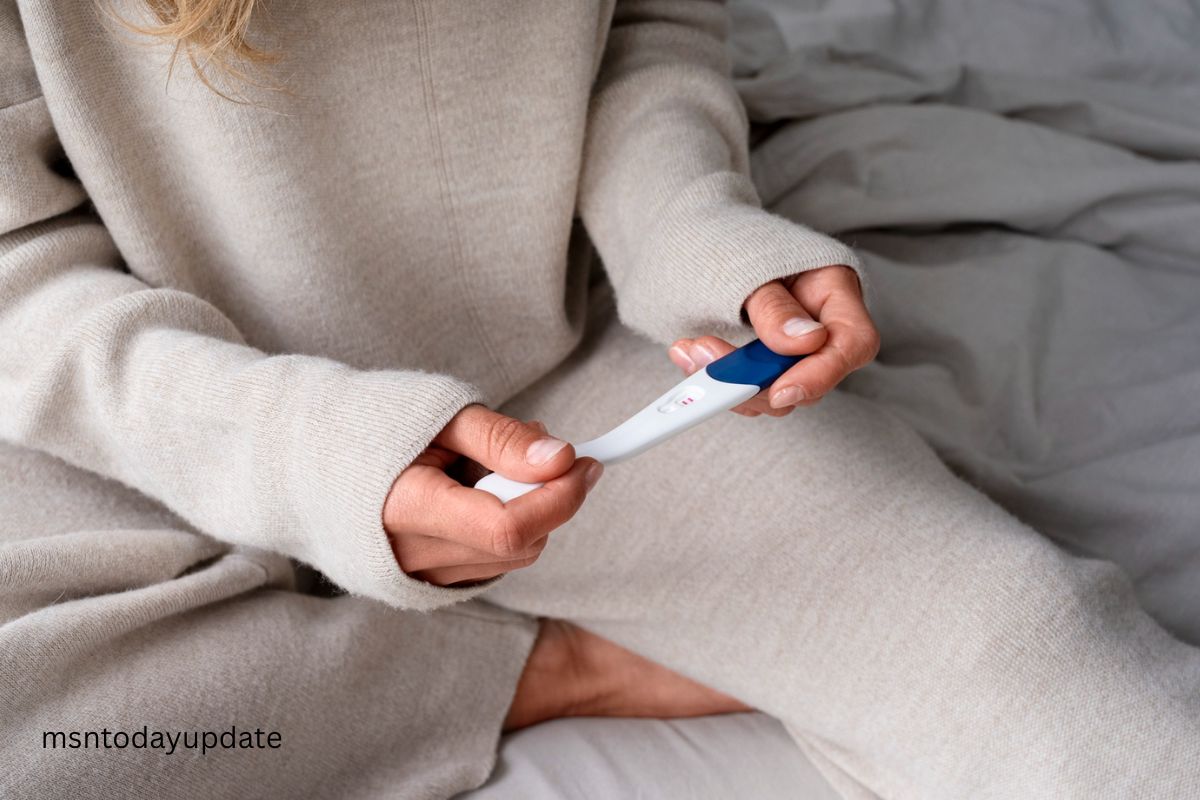
Understanding discharge before period vs early pregnancy can be confusing for many women, especially when both look almost the same. During the menstrual cycle, vaginal discharge changes due to natural hormonal shifts, while in early pregnancy, the body produces more fluid to protect the uterus. The challenge is telling the difference between period discharge and pregnancy discharge without relying only on symptoms
. Sometimes women notice white discharge before period, other times it may appear as early pregnancy discharge, making it hard to know what’s normal. This guide explains the key differences, causes, and signs so you can better understand what your body is telling you.
What Is Vaginal Discharge and Why Does It Change?
Vaginal discharge is the body’s natural way to keep the reproductive system healthy. A healthy discharge usually appears clear or white and has no strong smell. It cleans out bacteria, prevents infections, and even helps with fertility during ovulation.
The consistency of discharge changes because of estrogen and progesterone changes across the menstrual cycle. At different times, discharge can be clear discharge, sticky, or creamy. This means discharge consistency during menstrual cycle is directly tied to hormones. If you notice sudden discharge color changes (yellow, green, pink), it may signal an infection rather than normal hormonal changes.
Discharge Before Your Period
Premenstrual discharge usually becomes thicker and creamier because progesterone is the dominant hormone. This type of white discharge before period may feel sticky and is not considered harmful. Some women may also experience brown discharge before period, which is often leftover blood from the previous cycle.
However, spotting or spotting before period can sometimes create confusion. In certain cases, spotting or bleeding before period vs pregnancy can be difficult to tell apart. Knowing the timing of discharge changes before period helps identify whether it is simply part of PMS or something else.
Early Pregnancy Discharge

One of the signs of early pregnancy discharge is increased moisture in the vaginal area. In early weeks, discharge often becomes thick, milky, and odorless. This is called leukorrhea and happens due to higher estrogen levels and increased blood flow.
Unlike premenstrual discharge, which tends to dry up before bleeding, early pregnancy discharge usually continues without stopping. Women may notice this together with pregnancy symptoms (fatigue, nausea, sore breasts), making it a key early clue.
Differences Between Early Pregnancy Discharge and Discharge Before Period
The difference between period discharge and pregnancy discharge lies in timing and consistency. Period-related discharge may become thick or brown before bleeding, while changes in discharge during early pregnancy are more continuous and remain milky white.
Here is a simple comparison:
| Feature | Discharge Before Period | Early Pregnancy Discharge |
| Color | White, yellowish, or brown | White, milky, odorless |
| Timing | Stops before menstruation | Continues without stopping |
| Symptoms | PMS symptoms (bloating, cramps, breast tenderness) | Pregnancy symptoms (fatigue, nausea, sore breasts) |
Causes of Discharge Before Period

Causes of discharge after menstruation and before periods include leftover blood, hormonal fluctuations, and the natural buildup of mucus. Spotting between periods may also appear when hormones shift suddenly. This is usually harmless, but if persistent, it may suggest underlying conditions.
Sometimes fibroids and vaginal discharge can lead to abnormal bleeding. Uterine fibroids symptoms include heavy menstrual bleeding, pelvic pain, and sometimes unusual discharge. Knowing how fibroids affect menstrual cycle and discharge helps women recognize when something is not normal.
Causes of Early Pregnancy Discharge
The main cause of early pregnancy discharge is hormonal rise. Both estrogen and progesterone changes increase moisture levels to protect the uterus from bacteria. This makes reasons for increased vaginal discharge very common in pregnant women.
Another cause is implantation, which may lead to light spotting. This can be confused with spotting before period, but implantation spotting is usually lighter and shorter. Tracking cycles helps to tell if pregnancy test vs discharge symptoms are worth considering.
Signs That Discharge Could Indicate Pregnancy

Women may notice what does healthy vaginal discharge look like changing into a more continuous, creamy flow when pregnant. This early pregnancy discharge does not smell bad and is not itchy, making it different from when discharge means infection.
If discharge comes with pregnancy symptoms (fatigue, nausea, sore breasts), there is a strong chance it is pregnancy-related. In such cases, using a test is the best way to confirm instead of guessing based on discharge alone.
When Discharge Signals an Infection or Medical Issue
Sometimes how to identify abnormal discharge becomes important. Signs include discharge accompanied by odor or irritation, unusual colors like green or yellow, or thicker clumps. These are not normal and may indicate a problem.
Common causes include bacterial vaginosis discharge, yeast infection discharge, or even a urinary tract infection (UTI). If untreated, they can lead to bigger issues like pelvic infections. Knowing what color is unhealthy discharge helps prevent delays in treatment.
How to Tell the Difference Without a Test
Many women wonder how to know if it’s spotting before period vs pregnancy without a test. The truth is, patterns and related symptoms are key. PMS symptoms (bloating, cramps, breast tenderness) appear before menstruation, while pregnancy symptoms (fatigue, nausea, sore breasts) often grow stronger over time.
If you see clear vs cloudy discharge along with fatigue and missed periods, it leans more toward pregnancy. But if the discharge dries before bleeding starts, it usually signals PMS. Still, a test remains the only sure way.
When to See a Doctor About Discharge
Doctors should be consulted when there is discharge accompanied by odor or irritation, pelvic pain, or unexpected spotting. These are normal vs abnormal discharge in women signs that need professional evaluation.
If you wonder, when to consult a doctor about discharge, the answer is when changes are sudden, persistent, or paired with discomfort. Also, symptoms of fibroid-related discharge and can fibroids cause discharge should always be checked.
Final Thoughts
on Discharge Before Period vs Early Pregnancy
Understanding discharge consistency during menstrual cycle helps in knowing what is normal and what is not. Normal vs abnormal discharge in women can be told apart by looking at color, texture, and related symptoms.
Whether it’s premenstrual discharge or early pregnancy discharge, observing your body carefully gives valuable insight. Always monitor patterns, recognize reasons for increased vaginal discharge, and never ignore when discharge means infection. If in doubt, consult a doctor to protect your health.
FAQs
How to know if your period is coming or your pregnant discharge?
Period discharge is often thicker with PMS symptoms, while pregnancy discharge is thinner, milky, and increases steadily.
How to differentiate between normal discharge and pregnancy discharge?
Normal discharge changes through the cycle, but early pregnancy discharge (leukorrhea) is usually clear or white and more consistent.
How to confirm pregnancy with white discharge?
White discharge alone isn’t proof; only a pregnancy test or doctor’s visit can confirm pregnancy.
Are you dry or wet in early pregnancy?
Most women feel wetter due to increased leukorrhea, not dry, in early pregnancy.
Which color of discharge shows pregnancy?
Pregnancy discharge is usually white or clear; unusual colors like yellow, green, or brown may suggest infection.