
Understanding period ke kitne din baad pregnancy hoti hai is important for couples planning a baby. Your chances of conceiving depend on your ovulation period, fertile days after period, and overall female reproductive cycle. Usually, an egg is released during egg release timing in the middle of your menstrual cycle, and knowing this helps in timing intercourse for better results.
The fertilization process happens when sperm meets the egg within this window. By learning about your cycle phases and tracking ovulation accurately, you can increase your chances of natural conception. This knowledge also helps avoid unwanted pregnancy by identifying safe and unsafe days.
Understanding the Menstrual Cycle and Its Phases
The menstrual cycle is divided into four main phases: menstrual, follicular, ovulation, and luteal. The follicular phase begins after menstruation and leads up to ovulation. The luteal phase happens after ovulation until your next period starts. Hormonal changes in menstrual cycle control these phases, especially estrogen and progesterone levels. These shifts affect the fertilization process and your ability to conceive.
In a typical 28-day cycle, ovulation happens around day 14, but it can vary. If your cycle is shorter or longer, your egg release timing will shift. Cervical mucus changes during ovulation are one of the easiest signs to track, as the mucus becomes clear and stretchy when fertility is high.
Relationship Between Periods, Ovulation, and Pregnancy
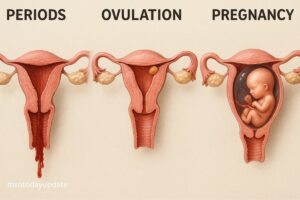
Your ovulation and conception timing is directly linked to the start of your period. Ovulation usually occurs 12–16 days before your next period. This means your fertile window after menstruation depends on how long your menstrual cycle length and fertility patterns are.
If sperm is present during ovulation, fertilization can happen within hours. The sperm survival time in the female body is up to five days, which is why you can conceive even if intercourse happens before ovulation.
What Is the Fertile Window and Why It Matters
The fertile window after menstruation is the set of days when pregnancy is most likely. It usually includes the day of ovulation and the five days before it. These are your high fertility days.
Missing this window can lower your pregnancy chances after periods. Tracking ovulation through basal body temperature rise and ovulation tracking methods ensures better timing.
| Cycle Day | Fertility Level | Pregnancy Probability |
| 1–5 | Low | <5% |
| 6–10 | Rising | 10–15% |
| 11–16 | High | 25–33% |
| 17–28 | Low | <5% |
How to Calculate Your Fertile Days After Periods
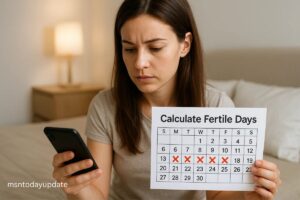
For menstrual cycle calculation for pregnancy, subtract 14 days from your cycle length to estimate ovulation. For a 28-day cycle, ovulation is around day 14. This gives you the best pregnancy planning guide.
Women with irregular cycles need extra tracking. Using ovulation tracking methods like LH test kits or observing cervical mucus changes during ovulation can help find your conception window accurately.
Most Successful Days for Pregnancy After Periods
The best time to conceive after periods is within the fertile window. For most women, this means days 11–16 in a 28-day cycle. These are your peak high fertility days.
A case study from the American Pregnancy Association showed that couples timing intercourse during these days had the highest success rates. Proper pregnancy planning guide methods can significantly increase chances.
When Pregnancy Chances Are Lowest in the Cycle
Low fertility days usually occur right after your period ends and in the late luteal phase before your next period. But remember, irregular periods and fertility changes can affect these calculations.
Even during these days, conception can happen if ovulation occurs earlier than expected. That’s why many experts say there are no completely safe and unsafe days for pregnancy without proper tracking.
Is Pregnancy Possible During or Right After Periods?
![Pregnancy During Periods]](https://msntodayupdate.com/wp-content/uploads/2025/08/Pregnancy-During-Periods-300x200.jpg)
Yes, pregnancy during periods possibility exists, especially for women with short cycles. If ovulation happens soon after bleeding stops, and sperm survival time is considered, fertilization can occur.
Women with cycles shorter than 21 days have a higher risk of conceiving right after menstruation. Understanding your female reproductive cycle helps avoid surprises.
Tips to Increase Your Chances of Conception
Conception tips for couples include tracking ovulation, eating nutrient-rich foods, managing stress, and avoiding smoking or alcohol. Healthy habits improve overall reproductive health tips and egg quality.
Monitoring early pregnancy symptoms after ovulation, like mild cramps or mood changes, helps in planning. Always combine lifestyle changes with accurate natural conception methods for better success.
When to Seek Medical Advice for Conception Challenges
Seek medical advice for infertility if you’ve tried for a year without success, or six months if over 35. Conditions like PCOS, endometriosis, or irregular periods and fertility issues need professional help.
A fertility specialist can suggest advanced pregnancy planning guide options like IUI or IVF, but also guide you on natural conception methods. Early action improves results.
Conclusion
Knowing how many days after periods can you get pregnant is key for planning. Your conception window depends on cycle length, ovulation timing, and overall reproductive health. Tracking your menstrual phases (follicular phase, luteal phase) ensures you never miss your fertile days after period.
FAQs
How many days can I be pregnant after periods?
You can get pregnant as soon as 5–6 days after your period if ovulation happens early.
How many days delay in period confirms pregnancy?
A delay of 7–10 days can be a strong sign, but a test is needed to confirm.
How many days after my period do I take a pregnancy test?
Wait at least 14 days after ovulation or when your next period is due.
Can I get pregnant on day 4 of my period?
It’s rare but possible, especially with short cycles and early ovulation.
Which time is best for a pregnancy test?
Morning is best, as urine is most concentrated and hCG levels are higher.